If you are looking for a South Shore town that feels both coastal and rooted, Cohasset tends to stand out quickly. You get everyday access to harbor life, beaches, and historic village character, yet Boston still feels within reach for many commuters. If you are trying to picture what living here is actually like, this guide will help you understand how Cohasset’s setting, housing, and lifestyle fit together. Let’s dive in.
Why Cohasset Feels Distinct
Cohasset is a compact coastal town on the South Shore with roughly nine square miles, according to the town, and 9.79 square miles of land area according to the Census. Its population was 8,381 in 2020, with an estimated 8,461 residents in July 2025. That smaller scale helps explain why the town often feels intimate rather than spread out.
In daily life, Cohasset reads as a higher-cost, owner-oriented market. The Census reports an 83.0% owner-occupied housing rate, a median owner-occupied home value of $1,318,900, and a median household income of $199,306. For you as a buyer or seller, that points to a community where long-term ownership and lifestyle priorities often shape housing decisions.
Boston Access And Daily Convenience
One of Cohasset’s biggest draws is that it offers coastal living without feeling cut off. The town highlights access to commuter rail, commuter boats, and Route 3A, which runs through town. That combination can make Cohasset attractive if you want a shoreline setting while still needing regional access.
The Census reports a mean commute time of 37.2 minutes. That suggests a commute that is meaningful, but still workable for many people balancing South Shore living with work or activities tied to Greater Boston. In other words, Cohasset is not an in-town convenience market, but it does support a connected lifestyle.
Harbor Life Shapes The Town
Cohasset Harbor is central to the town’s identity. It is not just scenic. The town presents it as an active working and recreation harbor with a long maritime history, an operating lobster fishing fleet, five public docks, a public boat ramp, and kayak-specific dock access.
For many buyers, that matters because the harbor is part of everyday life, not just a postcard backdrop. Activities in and around the harbor include boating, sailing, kayaking, and paddle boarding. The harbor area also includes organizations and facilities such as the Cohasset Sailing Club, Cohasset Yacht Club, Cohasset Harbor Marina, Cohasset Maritime Institute, and the Center for Student Coastal Research.
What Boaters Should Know
If you are hoping to keep a boat in Cohasset, access is real but managed. The harbormaster oversees mooring management and permitting, and the town offers transient moorings for visiting boaters at $35 per night.
It is also important to know that permanent mooring access is limited. The town says anyone can be on the mooring list, but the typical wait is 20 to 25 years. If boating access is a major part of your home search, that is the kind of practical detail worth factoring in early.
Beaches And Outdoor Living
The beach side of Cohasset is just as important as the harbor side. The town says Sandy Beach is its most popular swimming beach and includes more than 300 feet of maintained sandy coastline. Bassings Beach sits in the heart of Cohasset Harbor and is accessible only by boat.
That mix gives the town a layered coastal feel. You have places for swimming, water access, and shoreline views, but the experience still feels tied to a small harbor town rather than a large beach destination. For many residents, that is part of the appeal.
Village Character Is A Big Part Of Life Here
Cohasset is not only about the water. The town describes the village center as having strong New England character, with historical buildings and landmarks alongside specialty shops and restaurants. That village scale gives the town a social center that feels compact and easy to understand.
Planning documents show that the village center and harbor are the main commercial zones. The harbor supports marinas, lodging, and restaurants, while Route 3A carries more utilitarian retail and multifamily development. The harbor sits about a quarter mile east of the village center, which helps explain why these parts of town feel connected rather than distant.
A Preservation-Minded Town
Cohasset works actively to preserve the look and feel that people associate with the town. The current Village District and Harbor District design guidelines, adopted in 2026, emphasize preserving historical and cultural heritage, encouraging mixed uses, and supporting pedestrian accessibility.
Those guidelines also favor traditional building forms and materials. New facades are expected to reflect historic shopfront rhythm, use smaller visual bays, and include windows, doors, porches, or balconies instead of blank street walls. For you, that means the village and harbor areas are likely to keep their small-scale visual character over time.
Historic Identity Is Still Visible
Historic preservation in Cohasset is not just a background detail. Cohasset Common is both a National Register historic district and a local historic district. A 2026 town slide set describes the Common district as almost entirely residential, with about 30 properties plus the Town Common.
The town is also actively studying whether Cohasset Village should receive its own local historic district designation. That tells you preservation is still a current priority, not only a story about the past. If you are drawn to places with a strong sense of continuity, this is a meaningful part of Cohasset’s identity.
The Harbor And Village Feel Walkable And Layered
Cohasset’s character is easier to appreciate when you think of it as a concentrated social geography. The village center, common, and harbor form the heart of town life. Beaches, docks, and scenic coastal edges then extend that identity outward.
The harbor even includes a walking-history experience. The town notes the Captains’ Walk, a historical walking tour from Mariners’ Park to Government Island and along Border Street and Margin Street, with new signs installed in 2025. Details like that make the town feel not only scenic, but also deeply tied to local history and place.
What Homes In Cohasset Tend To Look Like
Cohasset remains heavily shaped by single-family ownership. Town housing materials say the stock is still dominated by detached single-family homes, with a smaller share of condominiums and limited rental inventory. That is consistent with the Census ownership rate and helps explain why many buyers see Cohasset as a place for long-term ownership rather than short-term flexibility.
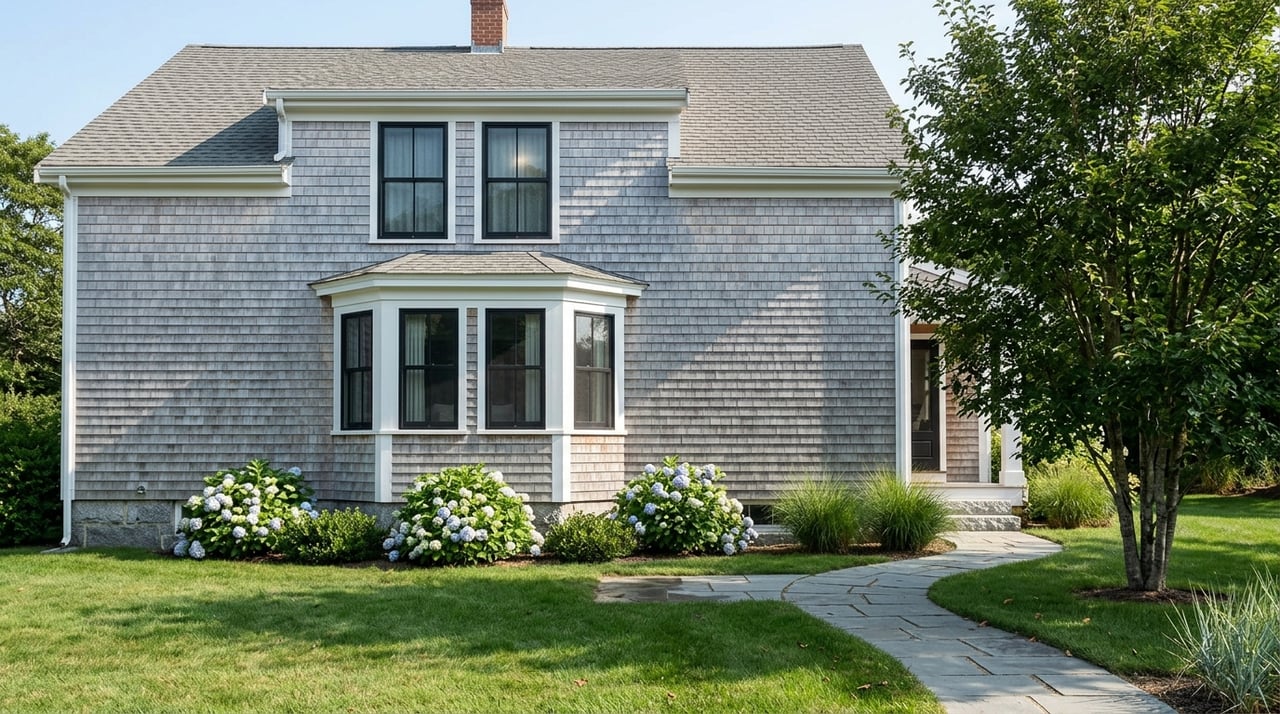
Architecturally, the town offers more variety than a typical suburban market. In the historic core, the town’s historic and cultural resources inventory points to Federal, Georgian, Colonial, Italianate Victorian, and Classical Revival buildings. The National Register entry for Cohasset Common also identifies Early Republic, Greek Revival, and Late Victorian styles.
Along the coast, the scale often becomes larger and more dramatic. The town’s open-space plan describes Victorian mansions along Jerusalem Road and Atlantic Avenue. Recent assessor sale records also reflect a mix of Cape, Colonial, Shingle Style, condo-conversion, and mansion classifications.
How To Think About Cohasset’s Housing Choices
While every home search is personal, Cohasset’s housing pattern tends to fall into a few broad lifestyle categories. Village-adjacent homes often appeal to people who want charm and easier access to shops, restaurants, the common, and harbor activity.
Larger coastal properties often attract buyers who want water, privacy, and a stronger connection to shoreline living. Smaller condominium options and some homes near Route 3A may appeal if you want lower-maintenance living while staying in town. That framework is an informed reading of town housing data, planning documents, and style patterns rather than a formal town classification.
Coastal Living Comes With Practical Considerations
The charm of living near the water in Cohasset is real, but so are the planning and maintenance realities that come with it. Town pages provide guidance related to wetlands, floodplains, and FEMA flood-map resources. The historic preservation page also notes that low-lying Government Island is particularly vulnerable to flooding.
If you are considering a coastal or waterfront property, flood awareness should be part of your decision-making from the start. Understanding shoreline conditions, permitting, and location-specific constraints can be just as important as views or access. This is one of the reasons local guidance matters so much in a town like Cohasset.
Who Cohasset Often Fits Best
Cohasset tends to make the most sense for buyers who value character, water access, and a preservation-minded setting. The ownership rate, home values, and housing stock all point toward move-up buyers, lifestyle buyers, and long-term owners as a strong fit.
It can also be a compelling option if you want a town that feels both village-like and coastal at the same time. Cohasset is not trying to be a large commercial center or a broad product-type market. Its appeal is more focused, with village charm, harbor life, and historic character all working together.
Why Local Guidance Matters In Cohasset
In a town where home value can be shaped by water proximity, flood considerations, historic setting, village access, and neighborhood feel, small differences matter. Two homes in the same town can offer very different day-to-day experiences depending on whether you prioritize walkability, harbor access, privacy, or lower-maintenance living.
That is where thoughtful local guidance can make the process feel much clearer. Whether you are buying or preparing to sell, understanding the nuance behind Cohasset’s lifestyle and housing choices can help you make a more confident decision.
If you are considering a move in Cohasset or elsewhere on the South Shore, Alice Pierce offers experienced, relationship-driven guidance with a strong understanding of coastal and lifestyle-focused homes.
FAQs
What is daily life in Cohasset like for commuters to Boston?
- Cohasset offers access to commuter rail, commuter boats, and Route 3A, and the Census reports a mean commute time of 37.2 minutes, which suggests a regional commute that many people find manageable.
What makes Cohasset feel different from other South Shore towns?
- Cohasset combines an active harbor, beaches, a compact village center, and strong historic preservation, which gives it a distinct mix of coastal living and small-town New England character.
What should buyers know about boating in Cohasset Harbor?
- The harbor includes public docks, a public boat ramp, kayak access, and transient moorings, but permanent moorings are tightly managed and the town reports a typical wait of 20 to 25 years.
What types of homes are common in Cohasset?
- Cohasset is largely a single-family, owner-occupied market, with older New England architectural styles in the historic core, larger coastal homes in waterfront areas, and a smaller supply of condominiums and limited rentals.
What should buyers consider about waterfront or coastal property in Cohasset?
- Buyers should pay close attention to floodplain and wetlands considerations, since the town provides guidance on shoreline management and identifies some low-lying coastal areas as more vulnerable to flooding.