If you are torn between harbor views and walkable convenience, you are not alone. In Hingham, that choice can shape how you commute, how you spend your weekends, and what kind of home search makes the most sense for your budget. This guide will help you compare coastal and in-town living so you can focus on the version of Hingham that fits your daily life best. Let’s dive in.
Why the choice matters in Hingham
Hingham packs a lot into 22.5 square miles. The town sits about 15 miles south of Boston and 30 miles north of Plymouth, with 21 miles of shoreline and six historic districts. That mix gives you access to water, village-style areas, and several commuting options in one market.
It also means your location choice is more than a simple map decision. A home near the harbor can feel very different from one closer to Main Street or Hingham Centre, even when both are in the same town. For many buyers, the right fit comes down to lifestyle, commute, upkeep, and price.
Coastal Hingham at a glance
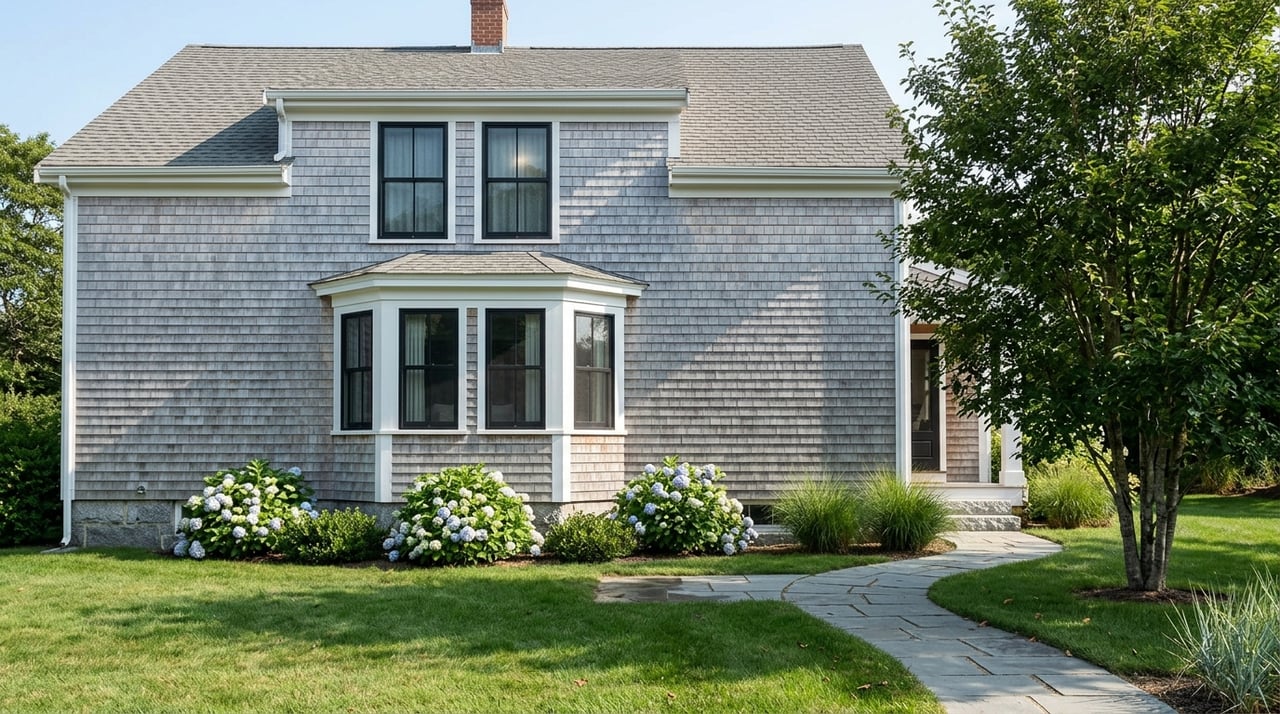
Coastal Hingham includes harbor-oriented areas such as Crow Point and places near World’s End. These areas are closely tied to shoreline access, water views, and outdoor recreation. If you picture mornings near the harbor or weekends built around boating, kayaking, or walks by the water, this side of town often stands out.
Crow Point has long had a waterfront identity. Hingham’s historical timeline notes that Melville Gardens resort was established at Downer Landing, now known as Crow Point. That background still shows up today in the area’s strong connection to harbor living.
World’s End adds another layer to the coastal experience. This 251-acre coastal reservation includes 4.5 miles of carriage paths and wide views toward the Boston skyline. It is more about scenery and outdoor access than neighborhood shopping, which helps set expectations for buyers considering homes nearby.
Coastal lifestyle and setting
Living near the water in Hingham is not only about the view from your windows. The town’s Harbor Overlay District emphasizes swimming, boating, kayaking, and stronger connections between downtown and the inner harbor. In real life, that can mean your free time naturally shifts outdoors.
The harbor and downtown area also offer a walkable cluster of small shops, restaurants, historic properties, and access to Hingham Harbor and Bathing Beach. For some buyers, that blend of water access and local activity is the ideal mix. For others, the trade-offs of coastal ownership may matter more.
Coastal pricing and supply
Coastal Hingham is usually where you will see the highest pricing. In Crow Point, current and recent examples range from a $12.5 million listing on Bare Cove Lane to recent sales at $3.55 million on Foley Beach Road and $2.5 million on Lewis Court. Those numbers sit well above Hingham’s broader market, where Zillow places the average home value at $1,357,902 and Redfin shows a median sale price of $1.3 million over the last three months.
That premium reflects more than square footage. It often reflects scarcity, water orientation, and the lifestyle attached to the location. If coastal Hingham is your goal, it helps to be prepared for strong competition in a market where homes townwide are going pending in about 7 days.
Coastal ownership considerations
Waterfront and harbor-adjacent homes can come with more complexity. Hingham’s FEMA information explains that flood insurance rate maps identify flood zones, floodplain boundaries, and base flood elevations, and the town keeps local floodplain rules aligned with National Flood Insurance Program requirements.
The town also regulates docks and piers to reduce impacts on wetlands, shellfish habitat, and salt marsh. Some projects may also require Chapter 91 review. If you are considering a coastal home, it is smart to weigh not just the purchase price, but also the long-term maintenance and regulatory picture.
Coastal commute patterns
Hingham offers several transportation options, including Greenbush commuter rail stations at West Hingham and Nantasket Junction, commuter boat service to Boston, fixed-route bus service, and access to the Red Line through Braintree and Quincy. That variety gives buyers more than one way to think about commuting.
For homes on the harbor peninsula, daily travel may feel more car- or ferry-oriented depending on exactly where you live. If your workweek depends on quick station access or frequent errands, that is worth testing before you commit. A beautiful waterfront setting can still be the right fit, but the rhythm of the commute matters.
In-town Hingham at a glance
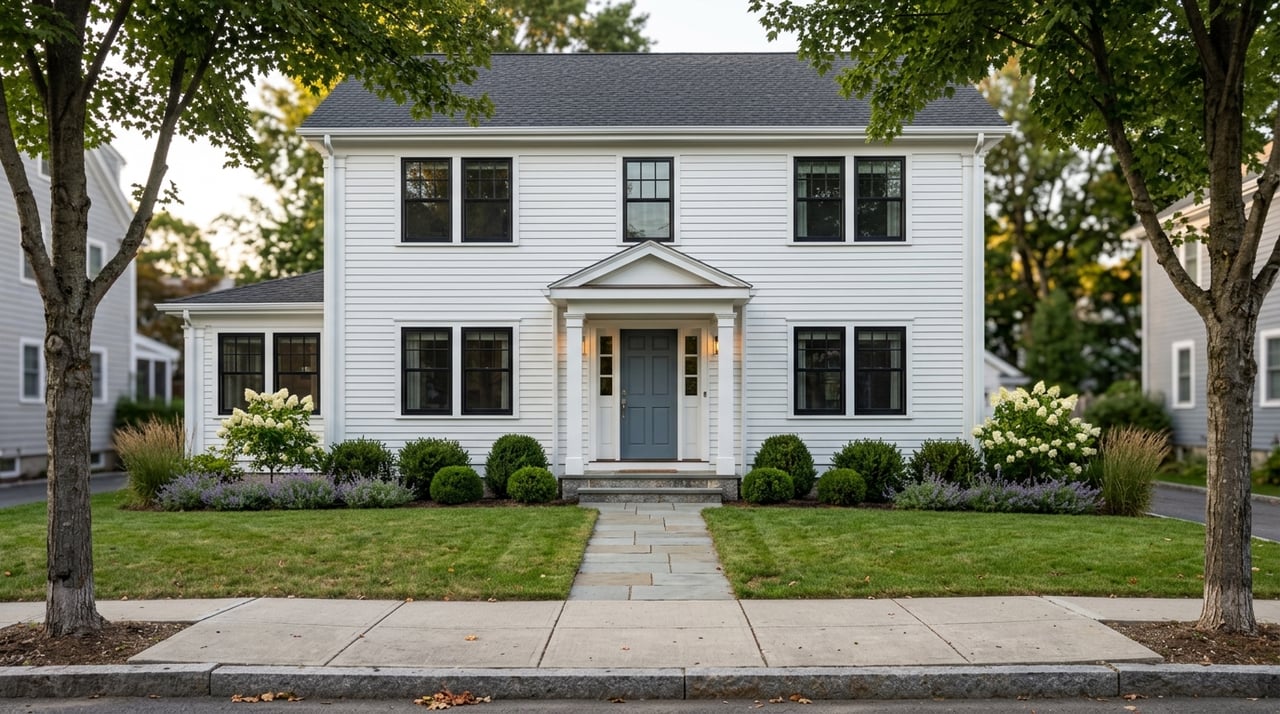
In-town and inland Hingham often appeal to buyers who want village character and easier day-to-day access to shops, services, and town destinations. Areas around Main Street and Hingham Centre tend to offer a different kind of lifestyle than the harbor edge. Instead of centering life around the shoreline, they often center it around convenience and neighborhood fabric.
That does not mean in-town living lacks charm. Downtown Hingham is defined by small shops, restaurants, historic properties, and access to the harbor and Bathing Beach. The feel is classic and established, with a mix of historic context and practical access.
In-town housing variety
One advantage of in-town Hingham is a somewhat broader mix of housing types. Along with single-family homes, some of the town’s newer multifamily and condo or townhome opportunities are concentrated in limited overlay areas near Hewitts Landing, The Cove, Shipyard Drive, and French and Fort Hill Streets under the MBTA Communities zoning work.
That said, supply is still limited and location-specific. You may find more variety than in the coastal single-family market, but not an unlimited range of options. Buyers who want flexibility in home style or lower-maintenance living often benefit from looking closely at these in-town pockets.
In-town pricing expectations
In-town Hingham can still be expensive, but it often sits below prime waterfront pricing. One recent example is 605 Main Street, which sold for $985,000 in May 2026 and was described as close to downtown, train, and boat access. That is meaningfully below the recent multi-million-dollar examples in Crow Point.
Still, in-town does not always mean lower-priced. Historic-core homes can reach much higher prices depending on size, condition, and exact location. The main difference is usually a wider spread of home types and price points rather than a simple bargain category.
Historic district factors
Some in-town locations come with historic-district oversight. Hingham’s Historic Districts Commission reviews exterior changes in local historic districts, and current town materials show ongoing work in areas such as the Hingham Centre Local Historic District and Pear Tree Hill Local Historic District.
For buyers, that is not automatically a negative. It simply means exterior projects may require added review. If you love older homes and established streetscapes, this may feel like a reasonable trade-off, but it is something to understand early in your search.
In-town convenience and daily life
For many buyers, the biggest in-town advantage is convenience. In-town locations are more likely to line up with walkability to errands, services, and town functions, while interior neighborhoods still keep access to Route 3 and the Greenbush line.
Hingham Public Schools serve the entire town, with four elementary schools, one middle school, and one high school. That makes school access more of a townwide consideration than a strict coastal-versus-inland dividing line. In practice, many buyers focus more on commute and lifestyle than on school geography alone.
Side-by-side decision points
If you are deciding between coastal and in-town Hingham, it helps to compare the categories that affect daily life most.
| Factor | Coastal Hingham | In-Town Hingham |
|---|---|---|
| Lifestyle | Water views, harbor access, outdoor recreation | Village feel, errands, town access |
| Housing | More limited supply, many single-family homes, premium pricing | Broader mix, including some condos and townhomes in select areas |
| Price | Often above town median, especially near the waterfront | Still expensive, but often more range below top waterfront pricing |
| Ownership factors | Floodplain, dock, shoreline, and maintenance considerations | Possible historic-district review for exterior changes |
| Commute feel | Often more ferry- or car-oriented depending on location | Often easier access to shops, services, and some transit patterns |
Questions to ask yourself first
Before you narrow your search, think about how you want your home to support your routine. The best Hingham location is usually the one that fits the way you actually live, not just the way a neighborhood looks on a sunny Saturday.
Ask yourself:
- Do you want daily life to revolve around the water?
- How important is walkability to shops, services, or town destinations?
- Which commute option do you expect to use most often?
- Are you comfortable with possible floodplain or shoreline-related rules?
- Would you be happy owning an older home that may involve historic review for exterior changes?
- Is your budget better aligned with a wider in-town price range or a tighter coastal market?
What many buyers overlook
Many buyers start with a picture in mind and only later think about the practical side. In Hingham, two homes that seem close together on a map can offer very different ownership experiences. That is especially true when you compare a harbor-adjacent property with an in-town historic home.
A waterfront setting may bring premium pricing, more maintenance planning, and added regulatory questions. An in-town home may offer easier errands and a wider range of price points, but it can also come with older-home considerations and historic-district rules in some areas. Looking at both lifestyle and logistics usually leads to a better long-term decision.
How to narrow your search wisely
If you are early in the process, one of the smartest moves is to tour both types of locations before locking into one path. Spend time near the harbor, then spend time around Main Street or Hingham Centre. Notice how each area feels during a weekday morning, not just a weekend afternoon.
It also helps to sort homes by the trade-offs you are willing to accept. Some buyers gladly take on flood-zone research for a harbor lifestyle. Others decide that easier errands, more housing variety, or a lower entry point matter more.
In a competitive market, clarity matters. Realtor.com reports a median listing price of $1.7 million, 63 active listings, 16 median days on market, and a 104% sale-to-list ratio in May 2026. When homes move quickly, knowing your priorities up front can help you act with confidence.
If you want local guidance as you compare Crow Point, harbor-adjacent homes, Main Street, and other Hingham neighborhoods, Alice Pierce offers the kind of steady, informed support that can make your search feel clearer and less stressful.
FAQs
What is the main difference between coastal and in-town living in Hingham?
- Coastal Hingham tends to center on water views, harbor access, and outdoor recreation, while in-town Hingham often centers on convenience, village character, and access to shops and services.
Is coastal Hingham more expensive than in-town Hingham?
- Often yes. Recent Crow Point examples reached from $2.5 million to $12.5 million, while a recent Main Street sale closed at $985,000, though in-town prices can still be high depending on the property.
What should buyers know about flood zones in coastal Hingham?
- Hingham identifies flood zones, floodplain boundaries, and base flood elevations through FEMA mapping, so buyers of coastal homes should review floodplain details and related ownership considerations carefully.
Are there condos or townhomes in in-town Hingham?
- Yes, but they are concentrated in limited areas, including parcels near Hewitts Landing, The Cove, Shipyard Drive, and French and Fort Hill Streets.
Does living in-town Hingham mean easier commuting?
- It can, depending on your route. In-town and inland areas may offer easier access to errands, services, and some transit options, while harbor-peninsula locations may feel more car- or ferry-dependent.
Do schools differ between coastal and inland Hingham neighborhoods?
- Hingham Public Schools serve the whole town, so schools are generally a townwide factor rather than a major coastal-versus-inland difference.