Wondering how to get your Hingham home ready without turning the process into a last-minute scramble? If you want to sell with less stress, more clarity, and a stronger first impression, preparation matters just as much as timing. With a thoughtful plan, you can focus on the updates that count, avoid common surprises, and bring your home to market with confidence. Let’s dive in.
Why prep matters in Hingham
Hingham remains a higher-priced market with relatively limited inventory, but that does not mean every home sells itself. The Massachusetts Association of Realtors’ March 2026 local report for Hingham single-family homes showed a year-to-date median sales price of $1.7 million, 1.3 months of inventory, 24 homes for sale, and 81 cumulative days on market. In practical terms, buyers still have options, so presentation and pricing discipline matter.
That is especially true when you are competing for attention online and in person. Buyers often form an opinion before they ever step through the front door. A home that feels clean, cared for, and market-ready usually gives you a stronger starting point.
Start earlier than you think
If you are hoping to list in spring or summer, it helps to begin the prep process several weeks ahead of your target photo or list date. Housing activity typically picks up in spring and summer and slows in winter, so sellers who wait until the last minute can end up feeling rushed. Starting early gives you more time to make thoughtful decisions instead of reactive ones.
That does not mean you need a months-long renovation. It means giving yourself enough runway to sort repairs, clear clutter, gather documents, and prepare the home for photos and showings.
Build a simple pre-listing plan
A calm, full-service prep process usually starts with triage. Instead of trying to do everything at once, break the work into three buckets:
- Must fix: safety concerns, major functional issues, or highly visible defects
- Should improve: items that help the home show better, such as paint touch-ups or curb appeal work
- Can wait: optional cosmetic changes that may not meaningfully affect your launch
This approach helps you protect your time and budget. It also keeps you focused on the work most likely to improve the buyer’s first impression.
Decide what to fix and what to leave
One of the biggest questions sellers ask is whether they need to fix everything before listing. The short answer is no. A smarter approach is to address issues tied to safety, function, and major buyer-visible problems, then decide whether other items are worth improving or simply pricing around.
Cosmetic updates are optional. A home does not need to look brand new to sell well, but it should feel well maintained, clean, and easy for buyers to understand.
Consider a pre-listing inspection
A pre-listing inspection is not required, but it can be a useful tool if you want fewer surprises later. It may reveal issues early, giving you time to choose what to repair, what to document, and what to leave for negotiation. That can make the process feel more manageable, especially if you have owned the home for many years.
In Massachusetts, buyers may still inspect the property after an offer is accepted. Sellers and agents also may not condition acceptance on a buyer waiving inspection rights, and a separate written disclosure must be provided before or at the first purchase contract. The state also requires delivery of the Home Inspector Consumer Fact Sheet at the first written contract to purchase.
Focus on the highest-impact prep steps
You do not need an elaborate makeover to improve presentation. National staging survey data points to a few prep steps that come up again and again because they help homes show better and photograph better.
The most common seller prep recommendations were:
- Decluttering
- Whole-home cleaning
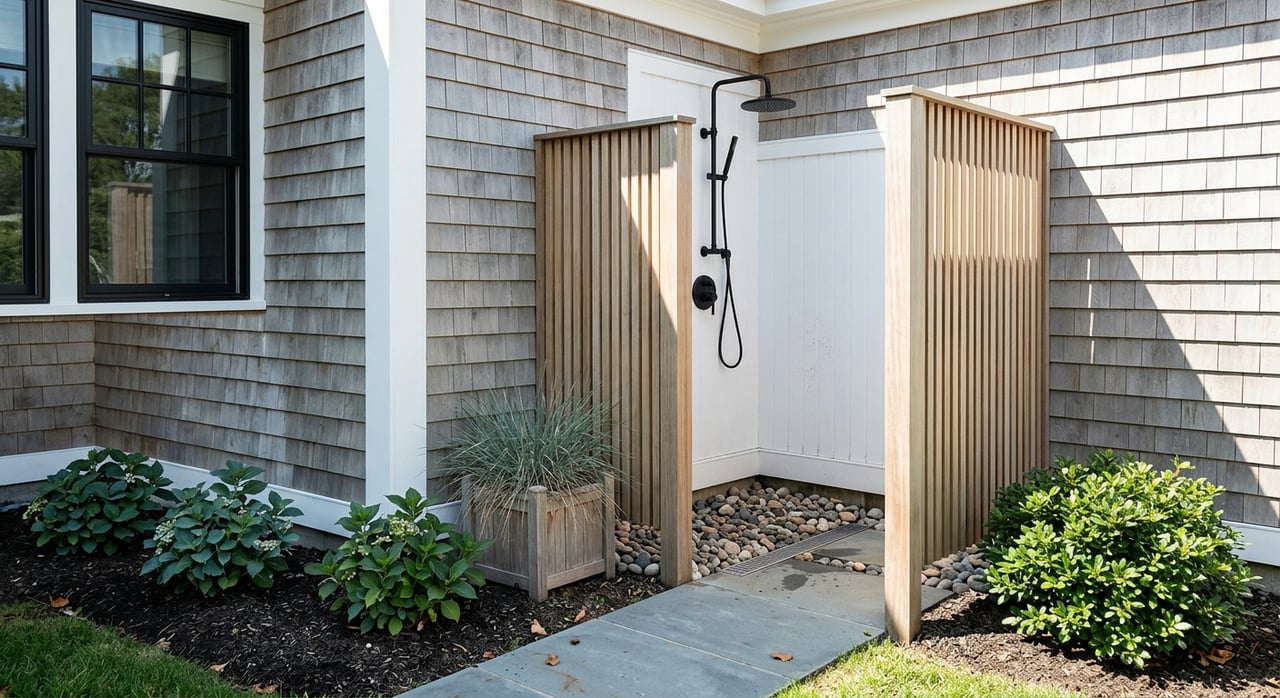
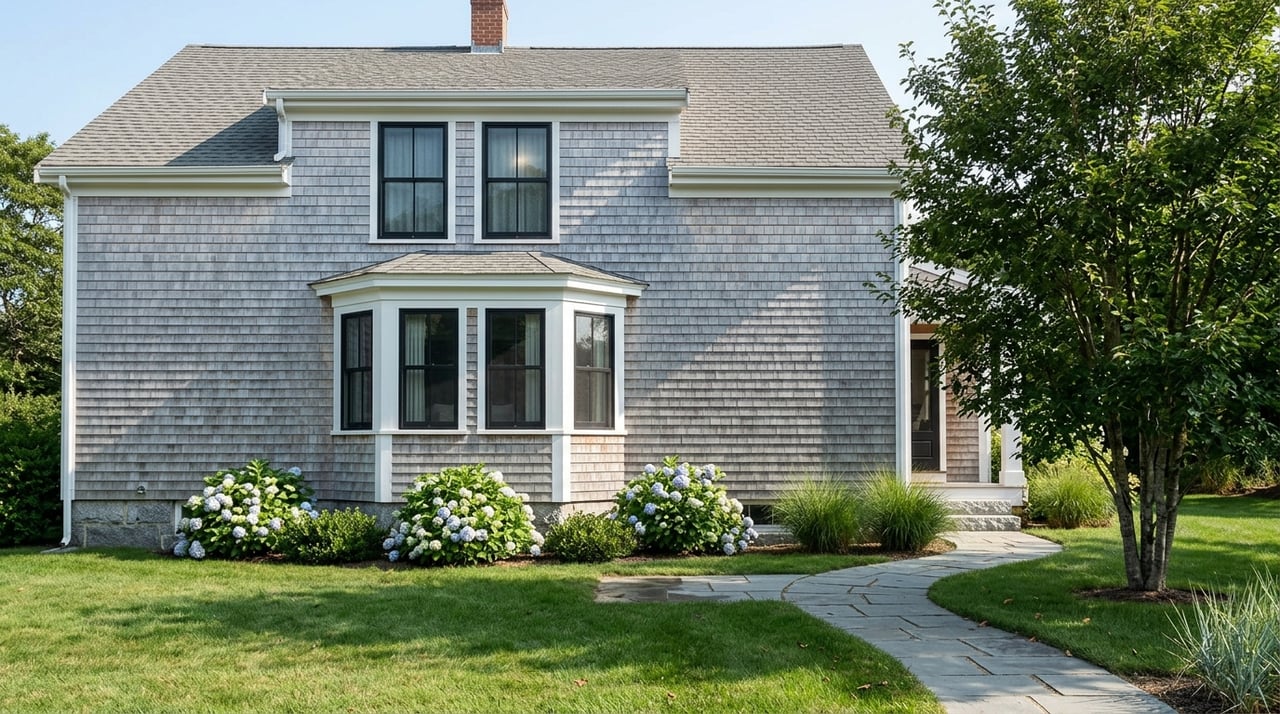
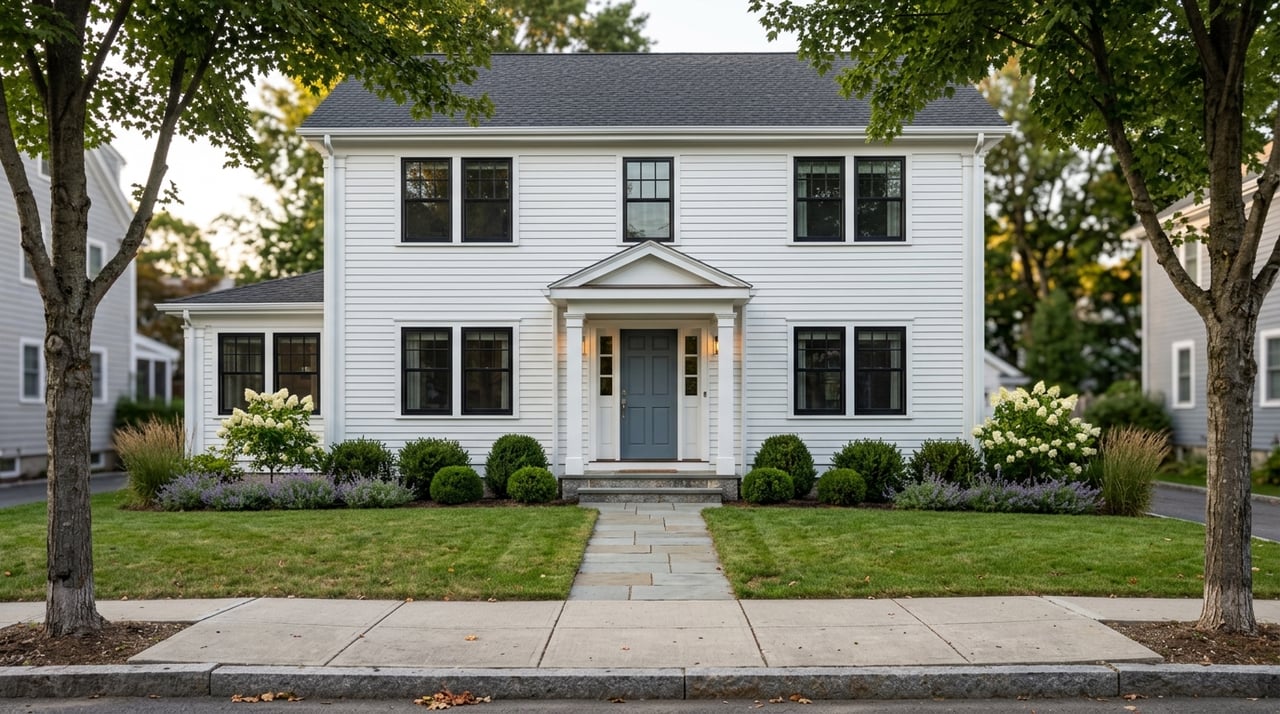
- Curb appeal improvements
These steps are practical for almost every seller. They help buyers see the space more clearly and can make your home feel brighter, larger, and better cared for.
Prioritize the key rooms
If your time or budget is limited, start with the rooms buyers tend to notice most. In the 2025 staging survey, the most commonly staged rooms were the living room, primary bedroom, dining room, and kitchen. That gives you a very workable roadmap.
Living room
Your living room often sets the tone for the rest of the showing. Clear extra furniture, simplify surfaces, and create an easy traffic flow. The goal is to make the room feel open, functional, and welcoming.
Primary bedroom
This space should feel calm and spacious. Fresh bedding, less furniture, and cleared nightstands can go a long way. You want buyers to focus on the room itself, not on personal items or visual clutter.
Kitchen
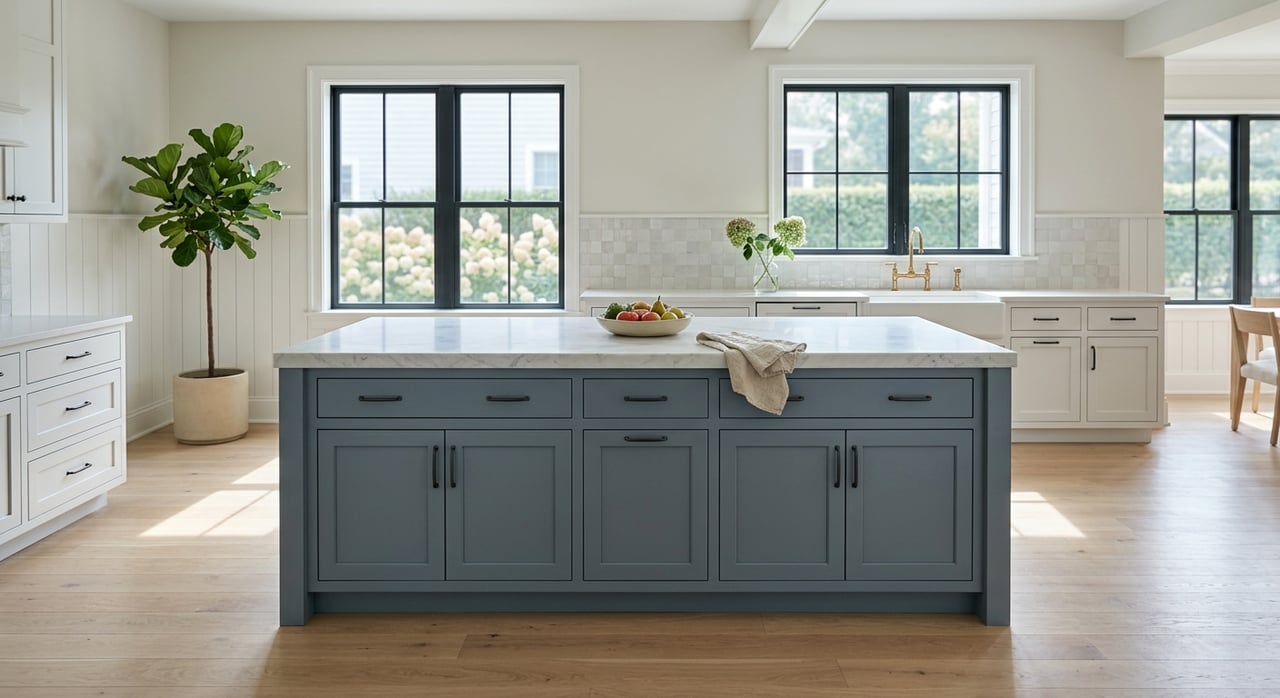
In the kitchen, less is usually more. Clear countertops, remove small appliances when possible, and make sure lighting is bright and even. Buyers tend to pay attention to cleanliness and layout here, so details matter.
Dining room
A dining room does not need much to look polished. A simple table setting, good lighting, and fewer decorative items can help define the space. If the room has another use, it helps to present it clearly so buyers understand its function.
Keep staging in perspective
Staging can be a helpful presentation tool, but it is not a guarantee of a certain price or timeline. Survey results showed mixed outcomes, with some sellers’ agents reporting modest gains and others seeing little or no effect. That balance matters.
The real value of staging is often clarity. It helps buyers understand scale, layout, and flow, which can make your listing more compelling both online and in person.
Save photos for the final step
One common mistake is scheduling photos too early. Professional imagery works best after the home is cleaned, decluttered, and staged. That sequence matters because your photos often create the first showing.
A stronger launch usually follows this order:
- Finalize repairs
- Clear clutter and deep clean
- Stage the main rooms
- Take professional photos and video
- Launch with the full marketing package ready
This approach reduces the risk of going live before your home is truly prepared. It also supports a more polished and consistent first impression across every marketing touchpoint.
Plan for Massachusetts seller documents
Seller preparation in Massachusetts is not just about appearance. It is also about planning ahead for the documents and property details that may matter during a sale.
Massachusetts residential sellers generally do not have a broad affirmative disclosure requirement except for lead paint. That makes it especially important to think early about lead-related records, septic documentation, and any inspection planning that could affect your timeline.
Lead paint requirements
If your home was built before 1978, Massachusetts requires the Property Transfer Lead Paint Notification. Before the purchase and sale agreement is signed, sellers and agents must provide the notification, share any lead inspection or compliance documents they have, disclose any known lead information, and sign the certification page.
If you have older records, it helps to locate them early. The state also maintains Lead Safe Homes records that buyers and sellers can use to look up prior lead history.
Septic timing under Title 5
If your property has a septic system, timing is especially important. Massachusetts guidance says homeowners should have the system inspected when buying or selling property. Title 5 sale-related inspections are generally valid for 2 years, or 3 years if the system is pumped annually and records are available.
If weather prevents a pre-sale inspection, the inspection may be completed up to 6 months after the sale with written notice to the buyer. If septic applies to your property, it is wise to address this early so it does not disrupt your timeline.
Think of selling as a sequence
When sellers feel overwhelmed, it is often because too many tasks are happening at once. A better way to think about the process is as one coordinated sequence. You move from planning, to repair triage, to presentation, to documentation, to photography, and then to launch.
That structure helps reduce stress and keeps important steps from being missed. It also creates a smoother experience once your home hits the market.
What a full-service approach can look like
For many Hingham sellers, confidence comes from having a clear plan and steady guidance throughout the process. A full-service approach can include coordinating timing, helping prioritize repairs, preparing the home for staging, organizing required paperwork, and making sure photography and marketing happen in the right order.
That kind of support is especially valuable when you are balancing work, family, relocation plans, or the sale of a long-held home. Good preparation is not about doing more for the sake of it. It is about doing the right things in the right order.
If you are preparing to sell in Hingham, the goal is simple: present your home well, plan ahead, and avoid preventable surprises. When you take that approach, you can move forward with more clarity and less stress. If you would like thoughtful guidance on timing, presentation, and next steps, connect with Alice Pierce.
FAQs
What should I fix before selling a home in Hingham?
- Focus first on safety issues, functional problems, and major visible defects. Cosmetic updates are optional, and many sellers choose to clean, declutter, and improve curb appeal before deciding on larger projects.
Should I get a pre-listing inspection for my Massachusetts home sale?
- A pre-listing inspection is optional, but it can help you uncover issues early so you have time to decide what to repair, what to document, and what to leave for negotiation.
Which rooms matter most when staging a Hingham home?
- The highest-priority rooms are typically the living room, primary bedroom, kitchen, and dining room because these spaces often have the biggest visual impact in photos and showings.
When should I schedule listing photos for a Hingham home sale?
- Schedule photos after repairs, cleaning, decluttering, and staging are complete. Professional photos usually work best as the final prep step before launch.
What lead paint documents are required when selling an older Massachusetts home?
- For homes built before 1978, sellers and agents must provide the Property Transfer Lead Paint Notification before the purchase and sale agreement is signed, share any lead documents they have, disclose known lead information, and sign the certification page.
What septic inspection rules apply when selling a Massachusetts home?
- If the property has a septic system, Massachusetts Title 5 guidance says the system should be inspected in connection with a sale. Sale-related inspections are generally valid for 2 years, or 3 years with annual pumping records available.